
Recently, a significant development unfolded within the royal family that has left many stunned.
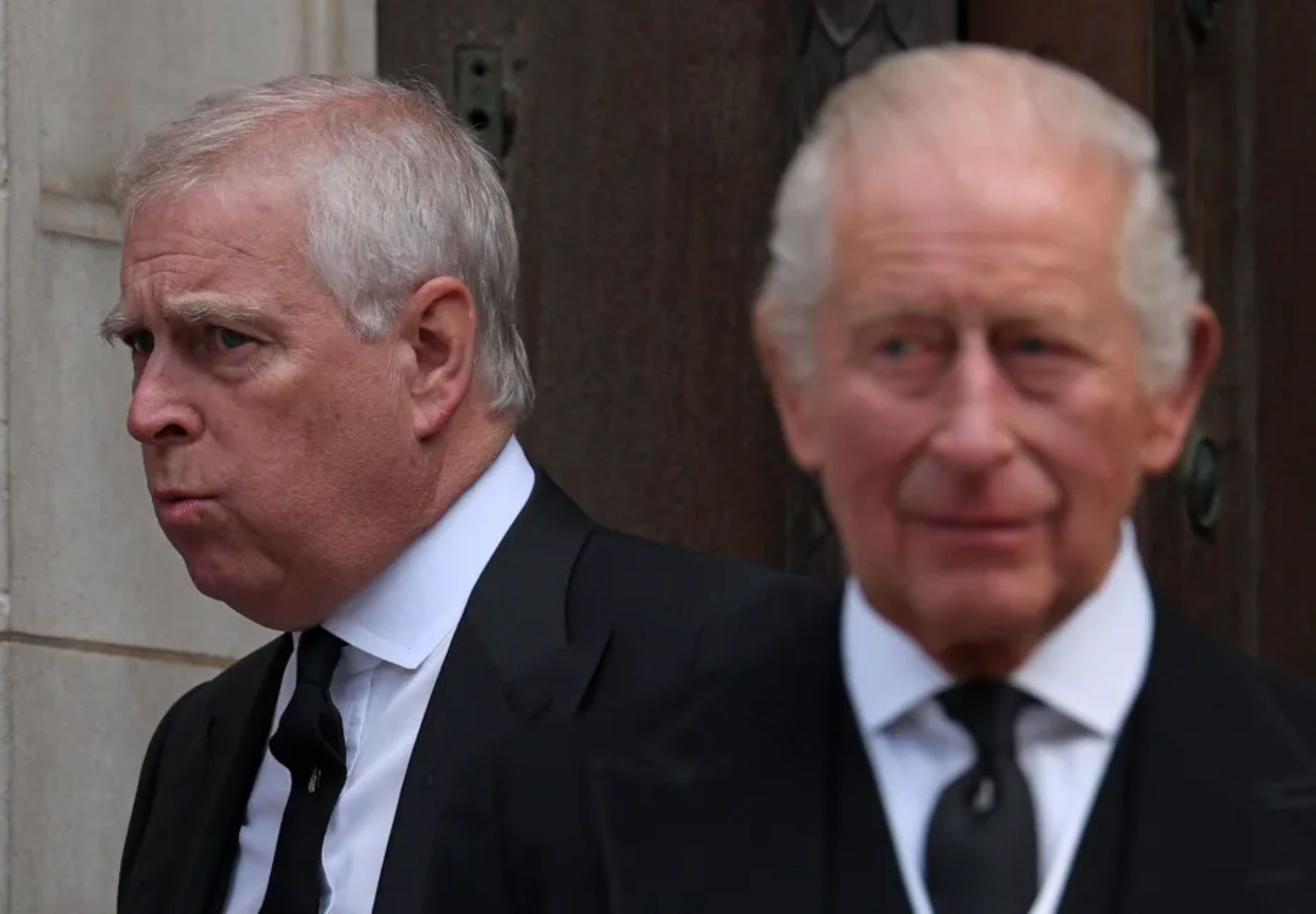
King Charles III has made a decisive move against his younger brother, Prince Andrew, following the alarming revelation of a substantial falsehood related to Andrew’s ties with the notorious Jeffrey Epstein.
The Buckingham Palace website now reflects a notable absence of Andrew’s royal titles, which he voluntarily relinquished just days ago.
This reflection of change follows a tumultuous period fraught with embarrassment for the royal family, stretching from serious allegations of sexual misconduct to Andrew’s now-infamous connection to Epstein, a convicted sex offender.
Until recently, King Charles appeared hesitant to take any firm action regarding Andrew’s consequential mishaps.
However, a shocking email surfaced, which seemed to cross the line for the monarch, convincing him that action was necessary and signaling the end of Andrew’s royal duties.
The email in question dates back to February 28, 2011—just one day after a notable photo featuring Andrew alongside Virginia Giuffre and Ghislaine Maxwell was released.
In this communication, Andrew supposedly urged Epstein to “keep in close touch,” indicating a desire to engage in future meetings.
For context, in 2019, Andrew claimed he had severed ties with Epstein much earlier, in December 2010, but this email contradicts that timeline.
The controversial message purportedly conveyed Andrew’s concern for Epstein and a willingness to maintain their friendship despite emerging scandals.
In his closing remarks, he signed off with his royal title, a move that irked many and undoubtedly frustrated King Charles.
The impactful fallout from this email led Charles to directly confront Andrew during a 10-minute phone call, where he communicated the end of Andrew’s role as a senior royal.
Sources within the palace suggested that Charles had reached a breaking point, expressing his growing frustration over the escalating scandals surrounding Andrew.
An insider recounted how after careful consideration with his family, particularly Prince William, the King felt compelled to prompt Andrew into making the right decision for both the royal family and public perception.
It’s been reported that Charles labeled Andrew’s continued presence within royal circles as untenable.
Following this tense conversation, Andrew reportedly agreed to step down from his royal titles, aside from maintaining his position as a prince.
He later published a statement, indicating that his decision stemmed from discussions with the King and other family members, emphasizing his commitment to prioritize the family’s responsibilities over his own.
While Andrew asserts that his departure from royal titles was voluntary, experts point out his wording may reflect an attempt to retain a semblance of authority amidst swirling criticisms.
Given his longstanding enjoyment of royal privileges, the removal of titles surely marks a significant personal setback.
Although he maintains his title of prince, Andrew’s inability to carry on as the Duke of York or participate in traditional royal engagements signifies a profound shift.
The aftermath of his widely criticized 2019 interview continues to haunt him, stripping away the last vestiges of his former working royal status.
Calls to fully strip Andrew of his prince title are growing louder, a power that could lie with the government, contingent on whether King Charles takes further steps through official channels.
Public figures, including Ed Milliband, have voiced their perspectives, stressing the need for the royal family to navigate these sensitive issues autonomously.
The royal family’s path forward amidst these ongoing controversies remains uncertain, as public sentiment continues to hinge on the gravity of the allegations and Andrew’s past associations.
Balancing tradition and reputation may prove to be one of the monarchy’s most formidable challenges in the current landscape.