


The spring sun crept lazily through my curtains, a gentle reminder that life continued outside while my heart was plunged into turmoil. I sat up in bed, my phone buzzing incessantly beside me, flooded with notifications from our friend group.
They were buzzing about my friend’s latest TikTok escapade, seemingly giddy about some vague “challenge” that had taken an uncomfortable and deeply personal turn. It all traced back to Rebecca, a vibrant friend from high school whom I had trusted implicitly.
We had weathered countless storms together, but as we both turned 22, her obsession with TikTok had spiraled from harmless fun to dangerously invasive. I had always known she had a flair for the dramatic, but what she had done went far beyond that—a betrayal that cut deep and left me reeling.
I replayed the events of that fateful day in my mind, desperate to make sense of what had happened. Rebecca, in her excitement to take her budding social media career to the next level, decided to turn my relationship with Ryan into fodder for her followers.
The “Kiss My Friend and See Their Reaction” challenge had seemed innocent enough when I first heard about it, but that naive thought dissipated quickly when Ryan burst through my front door, mouth agape, eyes wide with disbelief. “She tried to kiss me, I swear.
I thought she was joking at first, but then…” His voice trembled with the weight of confusion and hurt. “She what?” I could feel my blood boil as the words slashed through the air like a knife.
How is this even happening? Ryan recounted how Rebecca had cornered him at her apartment, laughing as she leaned in for a kiss, not the friendly air-kiss that would suffice in a simple video.
No, it was an audacious attempt to test the waters between the two of them—to provoke a reaction for views. But to him, it felt like a sickening betrayal.
“We have to cut her out. This isn’t okay,” I said emphatically, my heart racing.
I trusted my boyfriend wholeheartedly, but the instinct to protect my relationship surged stronger than any doubts I had. In that moment, I thought I would have the unwavering support of our friend group—surely they’d rally behind me against such a predatory act.
Yet, the days that followed told a different story. The text messages poured in with a consistency that felt like unwanted rain on a summer day.
“C’mon, she didn’t mean anything by it,” they said. “You should be grateful she showed you how loyal Ryan is.”
Each ping of my phone was met with a mix of disbelief and anger. They weren’t seeing it—none of them could comprehend the violation.
“They made you out to be the bad guy,” Ryan said later, frustration thickening the air between us. “It’s ridiculous.
She crossed a line, and they’re too wrapped up in their loyalty to notice.”
“I just want some validation here,” I whispered, feeling small and discarded. How could they support someone who had tested my boundaries and undermined my relationship?
A churning mix of betrayal and disappointment twisted in my gut. On a sunny afternoon two days later, I reached a boiling point.
I called Ryan, meeting him at our favorite café, where the chatter of friends and laughter enveloped us while silence prevailed between us. “I can’t keep this up,” I confessed.
“It’s poisoning everything.”
With newfound clarity, I made a decision. “I’m cutting Rebecca out of my life. Anyone who defends her can follow her out.”
His eyes softened as he nodded in agreement. “I’m proud of you. You need to do this for you.”
But stepping away from six years of friendships felt surreal, like cutting an umbilical cord. Yet, I knew it was the right choice.
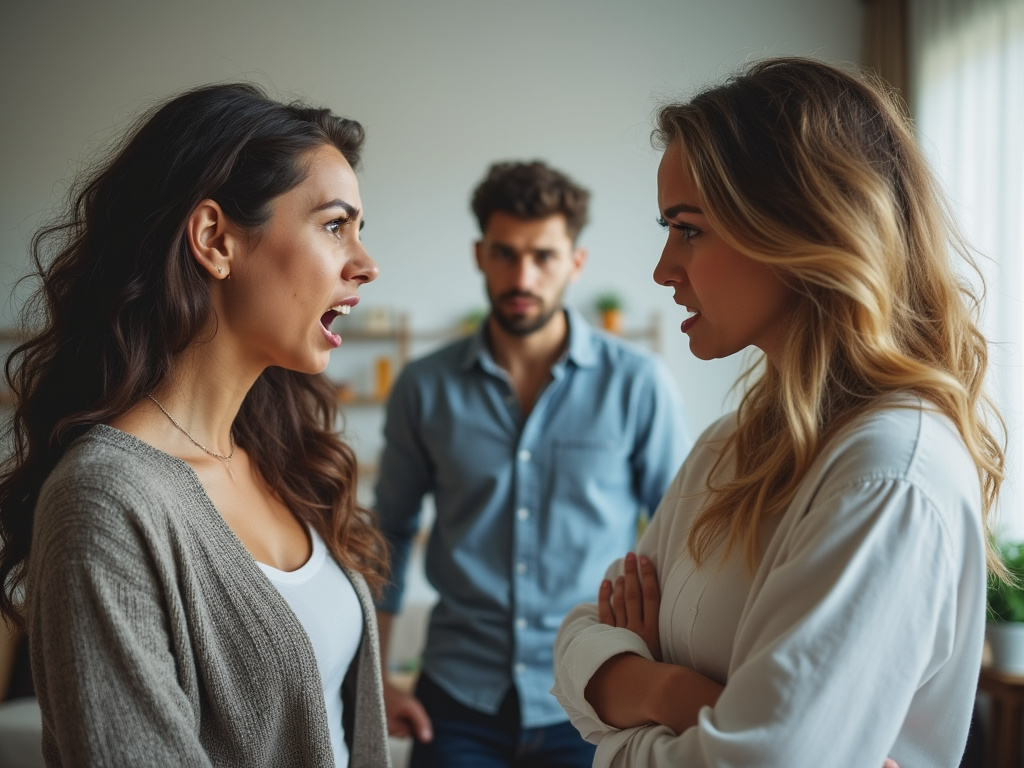
I crafted a message to Rebecca and our mutual friends, one that laid bare my feelings: her actions were unacceptable, and their defense of her only signaled their misplaced priorities. As expected, chaos erupted.
“You’re breaking girl code!” she spat back, as if the rules of an unwritten sisterhood superseded my right to feel safe in my relationship. Laughter echoed in the background of her defense; it had become a joke to them, a way to rid themselves of accountability.
“You’re a disgrace to our friendship,” I typed back, anger fueling my fingers. But before I clicked send, a sense of hesitation tightened my chest.
Was I even willing to feed into this toxic cycle? Maybe it was better to grow in silence.
As the weeks progressed, my thoughts spiraled. But I felt supported by Ryan, who was angry but focused.
“If she posts that video, I’ll deal with her. It’s illegal for her to release it without my consent,” he reminded me, placing a reassuring hand on mine.
The realization that our struggle was intertwined only strengthened our bond. Reddit was my outlet, my sanctuary from judgmental whispers and confused stares.
As I shared my story on the forum, a flood of support rushed in like a tide of validation—I was not the villain. Truthfully, it felt liberating.
However, lingering feelings of vengeance began to bubble beneath the surface. Should we share our story online, shedding light on their toxic behavior?
It felt juvenile, but the thought fanned the flames of my anger. “Let it go,” Ryan suggested one evening, his voice steady.
“Let their actions haunt them, not us.”
And I knew he was right; the only path forward was to heal and surround ourselves with those who understood the value of loyalty and respect. The bonds forged through love rather than social media clout were far more significant.
As I slowly distanced myself from Rebecca and those standing on her side, I found solace in knowing that my belief in healthy boundaries had not made me the antagonist. I was emerging from the chaos, ready to redefine my friendships—built on trust, not trends.
And as for TikTok? It was just a platform—nothing more, nothing less—while my reality remained irreplaceable, invaluable, just out of reach, yet hopeful for a new dawn.