



Meghan Markle’s highly anticipated Netflix series, With Love, Meghan, has hit the streaming platform with an explosive thud, receiving some of the most scathing reviews imaginable.
While the Duchess may have expected harsh criticism from the British media, her American reviews have been equally, if not more, brutal.
Industry icons like Variety have likened watching her show to a “forced march,” suggesting that the experience could be more torturous than entertaining.
In a particularly biting review, Variety accuses Meghan of exhibiting narcissism, noting that no amount of adoration seems sufficient for her.
It raised eyebrows over why a show about her life would be filmed in a staged location rather than her actual home, creating a disconnect between the purported subject matter and its presentation.
The review also laments the challenge of sustaining eight lengthy episodes filled with fresh ideas, poking fun at Meghan for her idiosyncrasies—such as her constant admiration of the beauty in mundane items like egg yolks and her obsession with garnishing dishes with “edible flowers.”
Additionally, the review claims viewers are forced to shower Meghan with compliments in exchange for the privilege of spending an afternoon in her “TV kitchen.”
In the end, it cynically concludes that With Love, Meghan is crafted with significant affection, but that affection seems to be directed towards herself above all else.
Further critiques emerged from Time Magazine, which expressed a sense of disappointment in the program’s authenticity.
The publication asserts that with each new venture from Meghan, including this show, the expectation of genuine openness is replaced by what feels like an insincere performance.
With Love, Meghan is portrayed as perhaps the most pronounced manifestation of this trend yet.
Describing the show’s overall blandness, the review questioned the remarkable qualities of a woman who bravely emancipated herself from the stifling confines of the British royal family.
What once seemed like an empowering story risks being overshadowed by a dull portrayal of humility—focused primarily on simple tasks like making jam and arranging flowers.
The Irish Times also weighed in with a particularly stinging review, labeling the show a “black hole of beige.”
It pointed to the irony of viewers being invited to partake in Meghan’s seemingly glamorous life, only to find that the filming happens in a guest mansion, not her own home.
Moreover, references to her family feel distant, with little actual inclusion of Prince Harry and their children, leading critics to question the authenticity of the entire production.
Even media outlets that typically lean liberal and critical of the monarchy, like The Guardian, could hardly muster enthusiasm for the series.
They rated it just one star, citing a glaring absence of humor or genuine engagement with the struggles of contemporary society.
The review echoes a sentiment shared by many: With Love, Meghan simply lacks any real charm.
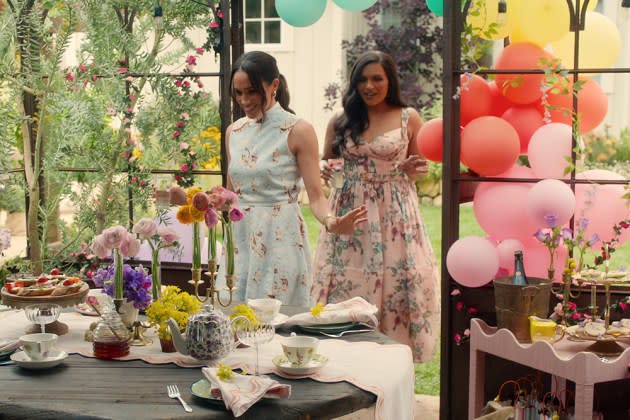
In the show’s premiere episode, Meghan hosts her longtime friend, make-up artist Daniel Martin.
This nostalgic visit steals the spotlight, showcasing food preparation, floral arrangements, and a range of homemade delights.
However, the overall vibe of the episode feels forced, mirroring Meghan’s impeccably curated wardrobe—smooth yet utterly beige.
It’s as if she’s caught in a chase for praise, constantly trying to impress, which is hardly relatable.
As she whips up dishes like frosted cakes and herbal concoctions, her efforts are met with obligatory compliments from her guests.
But the repetition of her metaphors and awkward attempts at humor might leave viewers cringing rather than engaged.
One has to wonder: does she truly connect with her audience, or does her pursuit of perfection create an insurmountable wall?
The series, which follows earlier projects like Archetypes and the docuseries Harry & Meghan, does little to clarify Meghan’s voice.
Instead, it reinforces the perception that she is unlikely to step outside the shiny veneer her image demands.
Drawing comparisons to other lifestyle icons like Martha Stewart, Meghan appears less relatable and competent, struggling to convey genuine enthusiasm for her various homemade endeavors.
It’s clear that With Love, Meghan aspires to convey deeper meanings, but loses sight of the simple joy found in entertaining and cooking.
Instead of delighting viewers with authentic experiences, the series leaves them yearning for the fun that makes such shows enjoyable.
Meghan and Prince Harry have cultivated an image of celebrity that feels demanded rather than earned, leading one to question whether their efforts can resonate without more substantial substance.
Rather than offering an insightful perspective, the show often seems trapped in a cycle of self-promotion disguised as lifestyle content.
Even moments reportedly meant to be heartfelt, like Prince Harry raising a glass to Meghan, come across as overwrought, reflecting an unyielding ego rather than the warmth of genuine affection.
Ultimately, With Love, Meghan is shaped by an overwhelming sense of self-love, overshadowing any attempts to portray relatable experiences.
As harsh as the critiques may be, they resonate with an audience that craves sincerity, something this much-anticipated show has yet to deliver.