

Meghan Markle, the Duchess of Sussex, is once again in the spotlight due to fresh allegations regarding her conduct towards royal staff.
According to royal biographer Robert Lacey, her management style has been described as fierce, with accusations that she instilled a culture of fear among her team.
While Meghan vehemently denies these claims, the narrative continues to captivate the public.
In his recently released book, Battle of the Brothers, Lacey details the purported treatment of palace staff by Meghan, asserting that she often raised her voice during interactions.
One palace aide reportedly stated, “Meghan governed by fear,” indicating that many felt the pressure of her expectations was unrelenting.
The portrayal raises questions about the dynamics within the royal household and the experiences of those who serve it.
The drama reached a peak when a senior aide reportedly confronted Meghan regarding her popularity, or rather, lack thereof, among the staff.
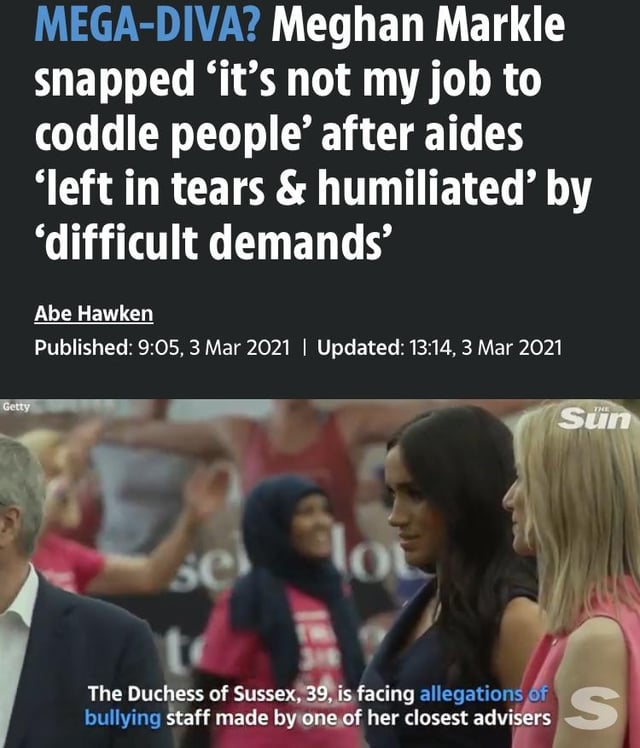
Allegedly, her response was a blunt declaration: “It’s not my job to coddle people.”
This statement has resonated widely, adding fuel to the ongoing debate about her leadership style and its impact.
Accusations against Meghan regarding her treatment of staff aren’t new.
They surfaced as early as 2017, during her engagement to Prince Harry.
In 2018, serious allegations surfaced through Jason Knauf, the communications secretary for both the Sussexes and the Cambridges, who documented claims of Meghan’s “unacceptable behavior” from individuals close to her.
Despite the mounting allegations, Meghan’s friends and former colleagues have come to her defense.
They argue that the portrayal of her character contradicts their experiences with her, labeling the accusations as exaggerated.
One friend of Meghan highlighted the challenges faced by women of color in leadership roles, arguing that Meghan is being unfairly criticized as part of a broader narrative.
A spokesperson for Meghan and Harry described the allegations as a “calculated smear campaign,” accusing the media of distorting old stories to undermine the Duchess’s reputation.
They criticized the timing of the resurgence of these claims, suggesting that it was deliberate to coincide with the couple’s upcoming public discussions about their experiences.
Jessica Mulroney, a close confidante of Meghan, also voiced her support on social media, emphasizing that she has always viewed Meghan as a person of kindness and empathy despite the pressures she faces from the media and royal scrutiny.
The backlash against Meghan raises larger questions about public perception and the media’s role in shaping narratives about public figures.
As the conversation surrounding these allegations unfolds, it becomes clear that the tensions within the royal family extend beyond mere workplace dynamics.
William’s response to the accusations against Meghan showed his deep concern, especially as it involved staff he regarded as part of his royal family.
The fallout from these dynamics has led to a significant rift between William and Harry, punctuated by unkind words during heated discussions.
Reports indicate that William was left feeling hurt and betrayed, which prompted him to reevaluate his relationship with his brother.
Ultimately, this story seems emblematic of the deep divisions that can arise within any family, let alone a family in the public eye.
As more revelations emerge, the ongoing saga of Meghan and Harry continues to capture headlines, leaving many to ponder the consequences of living life under such scrutiny.
While Meghan’s friends stand by her side, the narrative remains complex.
Critics question if her responses will help mend the strained relationships within her family, or merely add to the ongoing tension.
As the unfolding story develops, it leaves us all wondering about the true nature of royal life and the pressures that come with it.