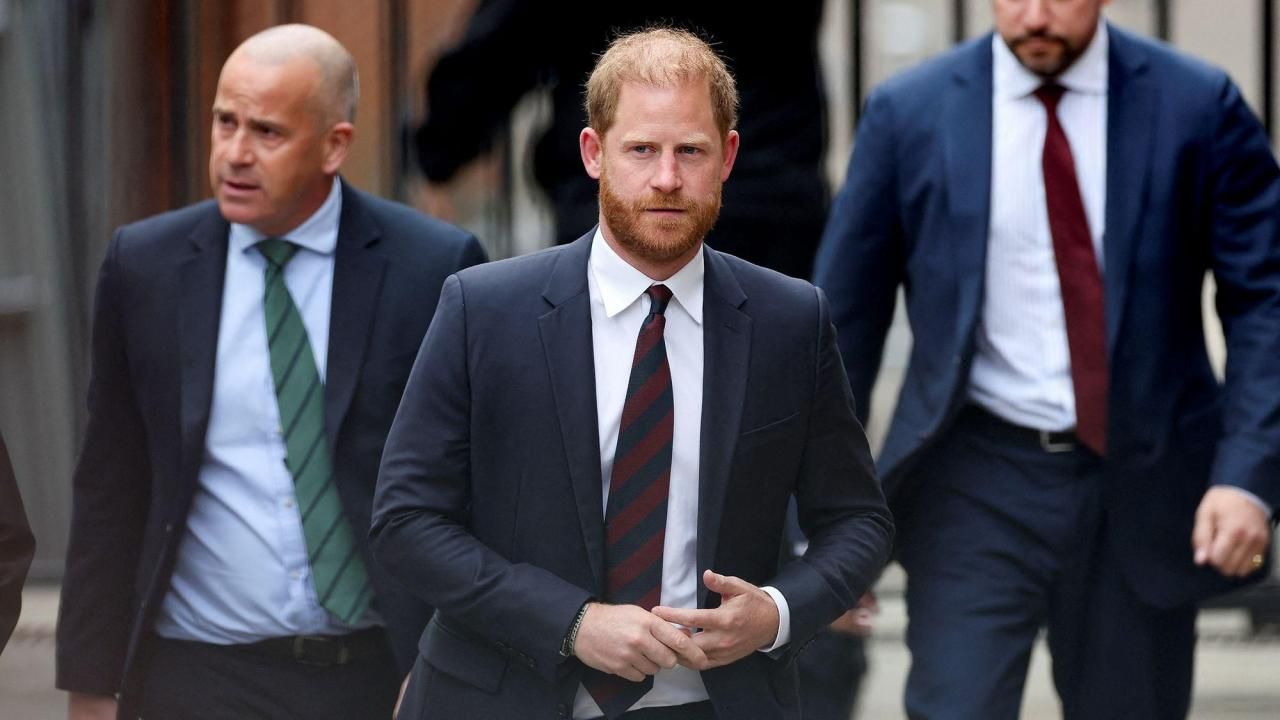
In the aftermath of legal battles over security, Prince Harry’s frustrations have become public.
As he confronts the decision to downgrade his protection since stepping back from royal duties and relocating to the United States, he isn’t shy about expressing his fears—both for himself and his family.
Recently, Harry’s efforts to regain a level of security while visiting the UK were denied, which has only fueled his concerns about bringing Meghan Markle and their children back to his homeland.
Despite the security detail enjoyed by close family members—like his father King Charles, Queen Camilla, and brother Prince William—Harry remains adamant that he should also have access to similar protections during his trips to the UK.
But he isn’t the only royal with security issues; many within the family do not benefit from comprehensive police protection.
For instance, Princesses Beatrice and Eugenie, Harry’s cousins, do not receive state-funded security.
Since they are not active members of the royal family, protection was stripped following a significant budget dispute in 2011.
Before this cut, providing security for both princesses was an expensive endeavor, costing around £500,000 annually.
Another royal lacking full-time protection is Prince Andrew, who had his state security removed after stepping down from his duties in 2019.
This loss mirrors that of other royals who no longer serve in an official capacity.
These decisions raise questions about the fairness of security allocation within the royal family.
Aside from these royals, Princess Anne and her daughter Zara Tindall also navigate life without full-time police protection.
Zara’s status as a non-working royal places her in a similar predicament to her cousins, highlighting a pattern among the King’s relatives.
Moreover, the situation extends to other members of the royal circle.
Prince Edward and Sophie, Duchess of Edinburgh, similarly lack round-the-clock security, only receiving protection when they are on official business.
This raises an interesting dialogue about royal privileges and protections granted based on one’s active role within the monarchy.
Recently, in a public interview following the legal ruling, Harry reflected on his relationship with his family, voicing a desire for reconciliation.
He lamented the lack of communication with his father, attributing it to disagreements primarily centered around security issues.
The Duke expressed the urgency of mending family ties, especially considering the emotional weight of their situation.
He mentioned, “Life is precious.
I don’t know how much longer my father has,” which undoubtedly stirs public speculation about the royal family’s dynamics.
As the royals gather for significant events—for instance, King Charles’s recent role in the VE Day 80th anniversary celebrations—the conversations around security and family tensions remain in the spotlight.
While Harry fights for personal safety, his cousins and other royals remain affected by outdated security measures, prompting discussions on evolving needs in royal protection.
Buckingham Palace’s response to Harry and Meghan’s media appearances underscores the challenges the royal family faces in balancing personal issues with public responsibilities.
Observers have noted that Harry’s comments could incite further scrutiny regarding the family’s health and relationships.
This complex web of royal security and personal relationships highlights just how nuanced and interconnected the lives of the British royal family truly are.
As they navigate public expectations and internal struggles, one can’t help but wonder: where do they go from here on the road to reconciliation?