The Impact on Harry’s Choices Explored by Former Butler
Once a close-knit duo, Prince Harry and Prince William have been estranged for over two years, a development that has sparked extensive speculation.
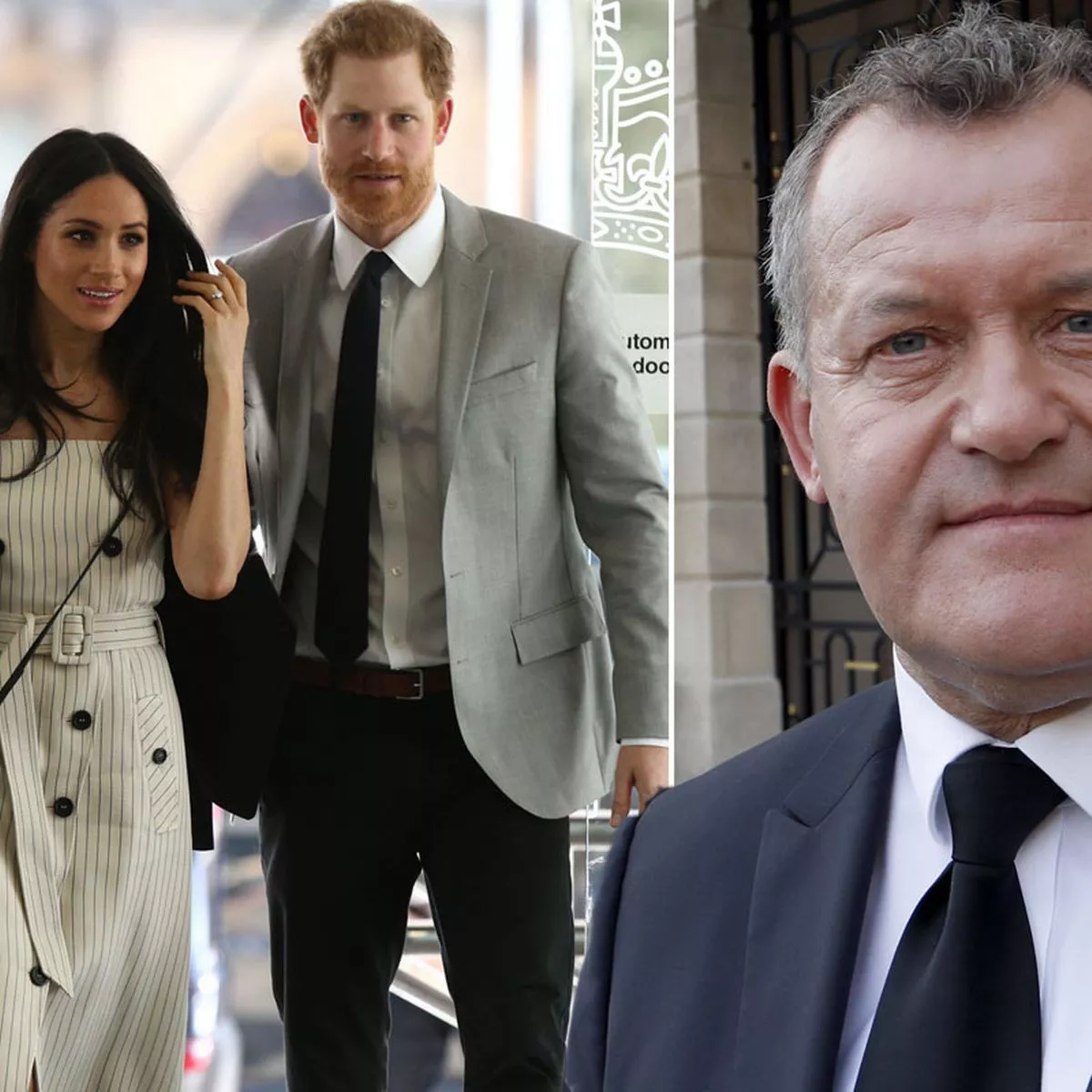
Paul Burrell, the former butler to Princess Diana, has shared his thoughts on how different life might have been for Harry had his mother still been alive.
In a recent conversation with The Mirror, Burrell asserted that Diana would have likely guided Harry away from the controversial decisions he’s made, including his choice to marry Meghan Markle.
Speaking candidly about the situation, Burrell expressed his belief that Diana would be disappointed with Harry’s recent actions and his ongoing rift with the royal family.
He noted that she would never have envisioned her son in such a position, especially given her desire for Harry to stand by William as he prepares for kingship.
Burrell emphasized that the bond between the brothers has weakened, with William feeling he cannot count on Harry.
Remembering the aftermath of Diana’s tragic passing in 1997, Burrell recounted the profound sadness Harry experienced.
“He hurt terribly when his mother died—I was there,” he explained.
“He ran to me for comfort when he returned from the funeral.” Burrell remarked that while both brothers suffered the same loss, the paths they took diverged dramatically, with Harry’s choices appearing increasingly erratic.
Though seeking independence initially seemed reasonable, Burrell questioned the manner in which Harry pursued it.
The changes in Harry’s behavior, which Burrell describes as signs of “petulance and entitlement,” seem foreign to those who knew him as a child.
“Where is that fun-loving, kind-hearted boy?” he wondered.
Instead, the picture that emerges is of a man who feels almost unrecognizable.
For many loyal followers of the royal family, the distance between Harry and William is particularly disheartening, especially given their once-tight bond.
Diana had a knack for nurturing their relationship and often reminded them of the importance of supporting one another through life’s challenges.
Royal biographer Andrew Morton echoed Burrell’s sentiments, lamenting the lost potential of the brothers’ partnership.
Morton reaffirmed that Diana would have actively worked to heal any rifts between her sons, citing her perspective on their relationship as a critical guiding force.
The notion of Harry being William’s “wingman,” as Diana described, remains a poignant reminder of what could have been, underscoring the tragedy of their current dynamic.
In their own words, Harry and Meghan have argued that stepping back from royal duties was a necessary move for their mental health and safety.
They have openly expressed feelings of isolation within the institution, which was compounded by their relationship with the media.
Harry has previously indicated that the media landscape, with its leaks and stories being planted, created a perilous environment for him.
On another note, Dickie Arbiter, a former press secretary for Queen Elizabeth II, shared insights about how Diana’s presence might have altered Harry’s life path.
During a recent interview on GB News, Arbiter suggested that if Diana were still alive, the circumstances surrounding Harry’s decisions—including his marriage to Meghan—would likely be entirely different.
Highlighting the emotional impact of Diana’s death on Harry, Arbiter speculated that the loss could have caused him to choose a more traditional royal lifestyle.
He posited that, without the trauma of losing his mother, Harry would have remained engaged with royal duties and the life anticipated of him.
It’s a thought-provoking angle to consider, especially given Harry’s current disputes regarding security and safety measures for his family.
During a discussion about Harry’s ongoing legal battles with the U.K. government, Arbiter conveyed that Diana would have offered practical advice to her youngest son, guiding him away from the current turmoil and challenges.
He painted a picture of Diana as a grounded figure who would have prevented the situation from escalating to this point.
Furthermore, Arbiter’s comments also touched on the BBC’s recent apology regarding the 1995 Panorama interview with Diana, which was obtained through deceitful means.
He drew connections between the fallout from that infamous interview and the larger issues of trust and communication within the royal family.
The BBC’s acknowledgment of wrongdoing and their decision to cease airing the interview is another chapter in a complicated narrative that impacts her legacy and the lives of her children.
It’s undeniably a complex picture when reflecting on Harry’s choices and the familial strife.
Diana’s influence as a mother, her ties to her sons, and the emotional weight they carry all color our understanding of the current royal dynamics.
As Burrell, Morton, and Arbiter reflect on what might have been, the feelings of loss and potential linger in the air—questions of how far love and family guidance could have shaped a different future for Harry.