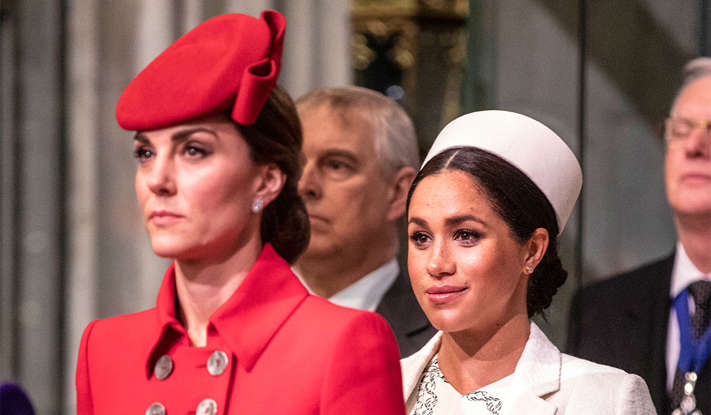
In a shocking new memoir, former royal butler Paul Burrell sheds light on the tumultuous dynamics between Meghan Markle and Kate Middleton, as well as insights from the late Queen regarding the unseen forces at play within the royal family.
Burrell touches on his own insecurities during a fraught legal battle and the significant figures that shaped his journey.
Burrell recounted the anxiety leading up to his trial at the Old Bailey in October 2002, where he faced serious charges of theft.
The accusations stemmed from his possession of numerous items that belonged to the late Princess Diana.
As he heard the charges read aloud, his heart raced, and he repeatedly proclaimed his innocence.
The Crown’s narrative was that he had failed to communicate his intentions adequately, a claim that left him feeling exasperated and misunderstood.
The backdrop to his charged trial includes his arrest the previous year, when he was implicated in the disappearance of various possessions from the estates of Princess Diana and her family.
If found guilty, Burrell faced the grim possibility of a lengthy jail sentence.
The police had conducted an extensive search of his home, confiscating treasured mementos given to him by Diana, including clothing and personal keepsakes belonging to his wife and children.
In a bid to clarify his intentions, Burrell attempted to reach out to Prince Charles, expressing in a letter that he had been entrusted by Diana to look after specific sentimental items.
Despite his efforts, Charles did not acknowledge Burrell’s earnest requests, which would later become crucial in the prosecution’s claims that he had not communicated his purpose for keeping the items.
Conversing with the Queen seems to have been an emotional experience for Burrell.
He describes how, after Diana’s tragic passing, feelings of isolation gripped him.
His eagerness to protect Diana’s legacy led him to reach out for a meeting with the Queen, who welcomed him warmly, providing insight into her views on Diana and her concerns for the Duchess’s family.
During their meeting, the Queen displayed genuine empathy for Burrell’s situation and shared her own reflections on Diana’s complex personality.
Her observations of the family intricacies and historical conflicts struck a chord, showcasing a deep understanding of the emotional turmoil they faced.
Burrell remembers her laughter amidst discussions of her late family member’s struggles, underscoring the Queen’s human side.
Interestingly, the Queen issued a stark warning regarding “dark forces” operating within the royal circle, alluding to a vulnerability that even she felt.
It was a revelation that left Burrell contemplating the precarious nature of royal life, intertwined with treachery and familial pressure.
His conversation with her, rich with emotion, shifted the trajectory of his future significantly.
Fast-forward to the present, Burrell reflects on the contrasting paths of Harry, Meghan, and Kate.
He contemplates Meghan’s growing envy of Kate, who seamlessly stepped into her role as future Queen Consort.
The casual elegance of Kate’s position likely clashed with Meghan’s earlier belief that she could adapt to royal life free from the constraints of tradition and protocol.
The hearings regarding the Sussexes’ departure from royal duties, dubbed ‘Megxit’, sent shockwaves through the monarchy.
Burrell posits that had Diana been present, things could have been different, suggesting that the late princess would have encouraged unity among her sons rather than division.
He opines that there was a unique bond between Harry and the Queen that added to the fabric of the royal family, but even she faced limitations in understanding Harry’s modern struggles.
Burrell emphasizes the cultural divides that often hindered Meghan’s integration into royal life, highlighting the intrinsic differences between American and British etiquette.
The pressure to perform as a duchess but never quite feeling like one built a wedge that became increasingly unbridgeable.
The allure of fame and wealth outside the royal household ultimately beckoned Harry and Meghan away from their royal duties, leaving Burrell with a sense of regret.
Their story reflects a tragic dichotomy: while they sought independence, they seemed caught in a perpetual struggle to escape their royal identities, yet recognizing the very connection that defined their public personas.
Burrell notes that while they may believe they’ve distanced themselves from royal ties, they remain intrinsically tied to that legacy even in their attempts to forge new paths.
As for Harry and Meghan’s children, a bittersweet element lingers in the background of their departure.
Burrell reminisces about the Queen’s hopes of strengthening family bonds through the next generation.
With her beloved grandchildren, she envisioned moments of warmth and closeness that somehow eluded them during pivotal family gatherings.
Ultimately, as Burrell recounts these revelations, the complexities of royal life are laid bare.
The challenges of maintaining personal identities while fulfilling royal duties create a legacy full of contradictions, and one that leaves both heartache and love tethered amid the opulent yet demanding world of monarchy.