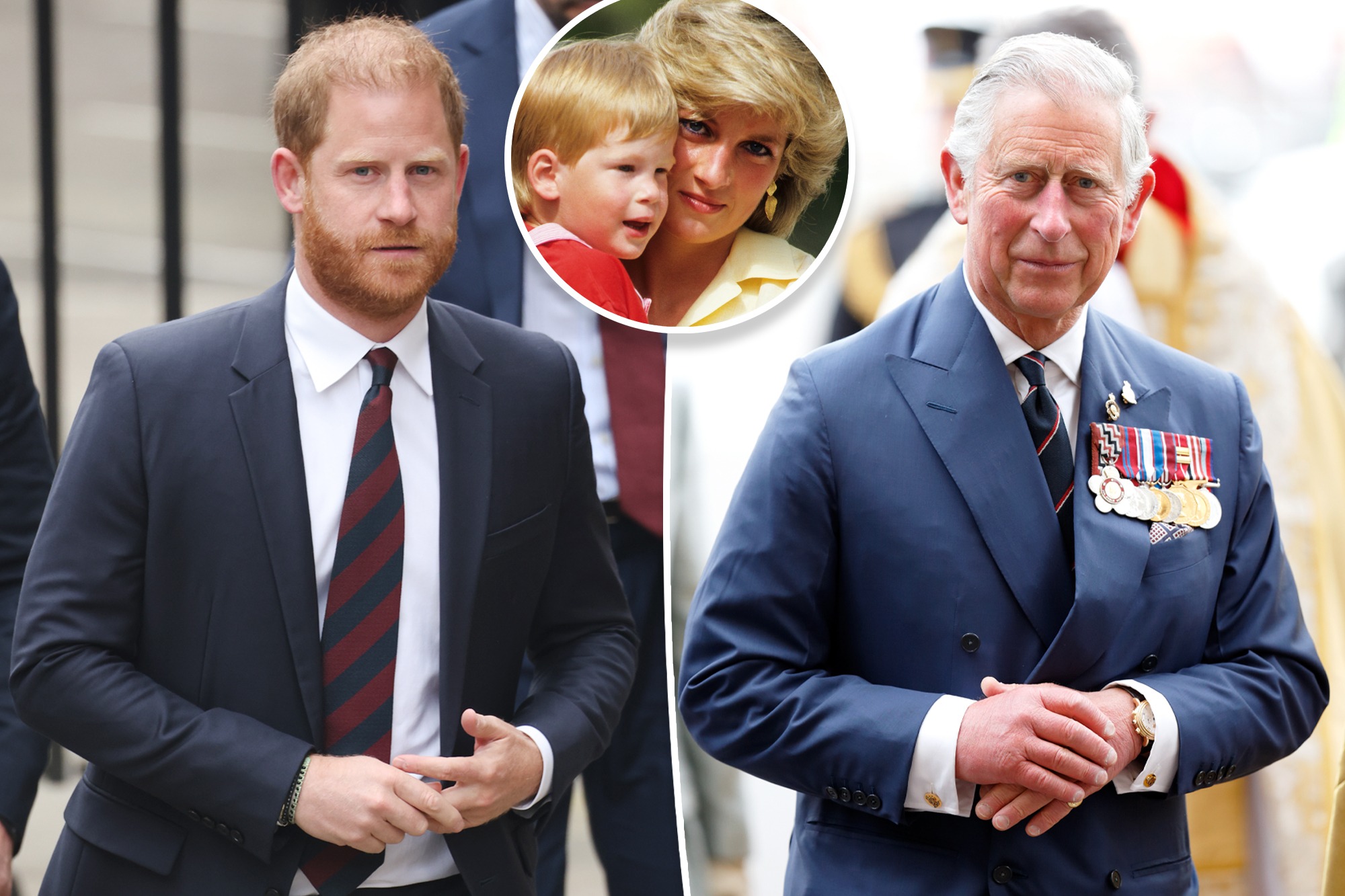
Prince Harry recently reached out to his late mother’s brother, Earl Spencer, seeking advice on the possibility of switching his family surname to Spencer.
This development, reported by The Mail on Sunday, reveals Harry’s contemplation of adopting the name that represents a significant part of his heritage.
According to informed sources, the Duke of Sussex was keen on exploring the legal and personal implications of this potential name change, which would mean moving away from the Mountbatten-Windsor surname currently used by his children, Prince Archie and Princess Lilibet.
This intimate conversation with Earl Spencer occurred during one of Harry’s rare visits to Britain, highlighting a deep familial connection to his mother.
During their discussion, Earl Spencer reportedly expressed concerns about the legal complexities involved in making such a change, ultimately advising Harry against pursuing the idea.
A close friend disclosed that their exchange was friendly yet grounded in practical considerations.
The very notion of Harry potentially changing his surname could be seen as a reflection of the existing tensions within the Royal Family, particularly with his father, King Charles, and brother, Prince William.
Such a move might be perceived as a symbolic rejection of the name they have carried with honor.
Mountbatten-Windsor, a name stemming from both Queen Elizabeth and Prince Philip, is a combination of royal heritage and personal history.
Harry’s children, Archie Harrison and Lilibet Diana, were christened under this surname, which honors both sides of the family.
Royal commentator Tom Bower has remarked that Meghan Markle, Harry’s wife, might have had aspirations to mirror Diana’s legacy, suggesting that a name change could elevate their children’s tribute to the beloved Princess.
Interesting enough, had the surname change happened, Lilibet would have been known as Lilibet Diana Spencer.
It’s important to consider how such a change would land with King Charles, who highly values the Mountbatten name.
This particular surname carries weight, having been adopted by Prince Philip when he became a British citizen after renouncing his Greek and Danish titles.
The nuances of royal titles stir quite the debate.
Although the UK Government states there’s no strict legal requirement for changing a name, it suggests a “deed poll” for formal alterations on official documents.
For the Duke and Duchess of Sussex, names have become particularly charged; they were conferred their Sussex titles during their wedding in 2018, a significant event in their journey as a couple.
In a humorous but poignant note, Meghan recently emphasized her identity as “Sussex” rather than “Markle” during her Netflix cooking show.
This reflection on family unity sparked interest among viewers, as she expressed how meaningful it is to share that name with her children.
The couple’s choice to formally designate their daughter’s title came into public view this year when the Royal Family’s website recognized Lilibet as a princess.
With Archie being placed in the same category, they are now the sixth and seventh in line for the throne, indicating how the dynamics of royal titles have shifted since King Charles’s ascension.
The royal title system is steeped in history, established by King George V in 1917 and evolving as it intersects with modern interpretations.
As Harry and Meghan navigated through their journey with Archie and Lilibet, they faced barriers regarding royal titles that they found frustrating, especially in light of the circumstances surrounding their son’s initial lack of a royal title.
Notably, during their televised interview with Oprah Winfrey, Meghan raised poignant questions about the decision-making processes behind royal titles, insinuating that racial considerations may have influenced their experiences.
This revelation shocked audiences, creating a significant conversation about racial implications within the royal sphere.
Amidst all these developments, the royal family’s response has been measured and maintains an aura of traditional decorum.
The Queen’s statement after the Oprah interview, famously remarking that “some recollections may vary,” reveals the complex layers of communication and public relations at play in royal matters.